

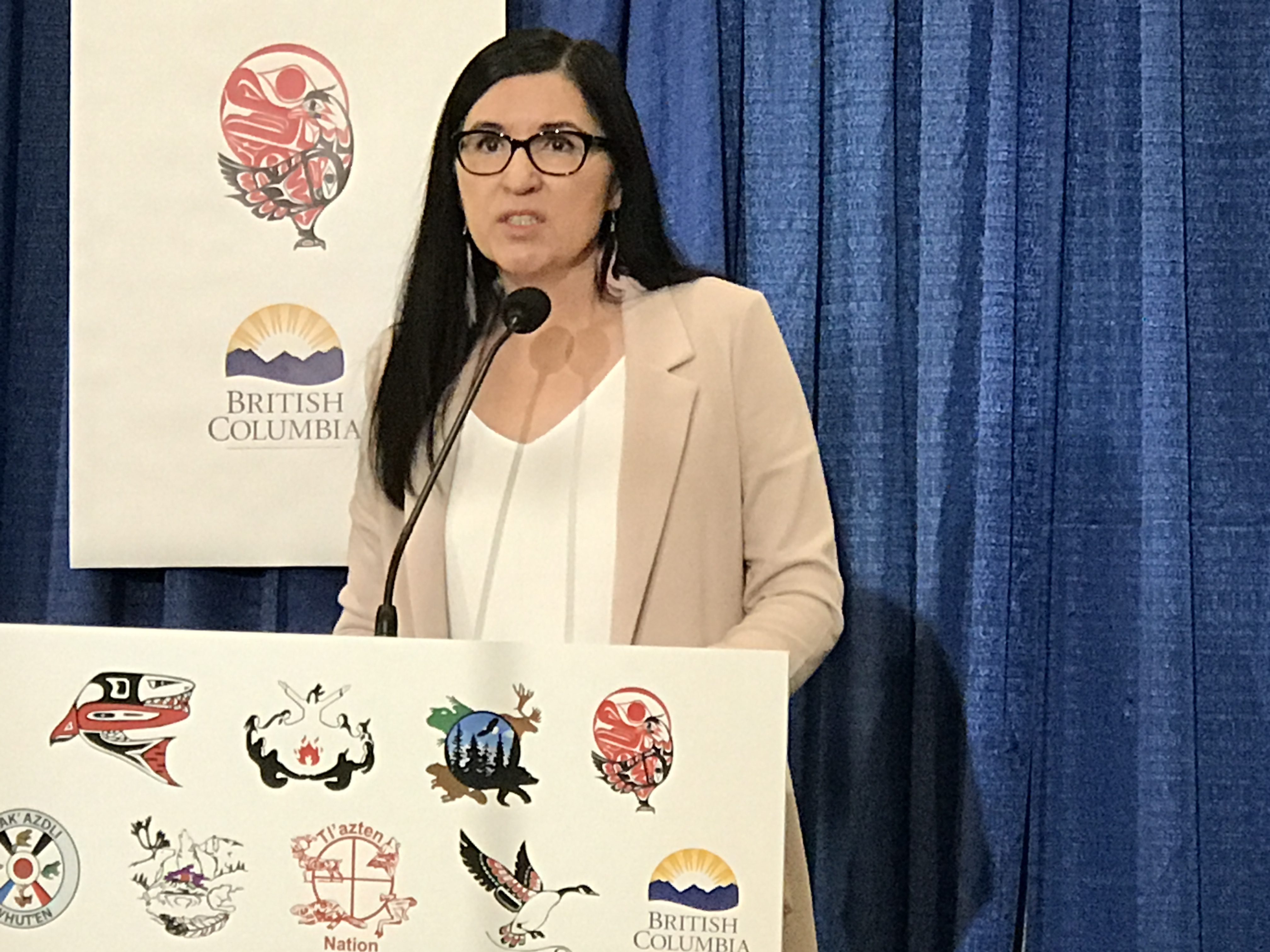

Saik’uz First Nation and the District of Vanderhoof are united in calling for a new, locally driven approach to forestry that protects forest health, supports local jobs, and respects local decision-making.
According to the communities, the combined impacts of mountain pine beetle infestations, wildfires, and decades of over-harvesting has impacted all values on the land – from timber available for harvesting to biodiversity, wildlife populations, and watershed health.
Despite these realities, provincial forestry decisions continue to authorize harvesting levels that do not reflect the current condition of local forests.
“We are at a crossroads,” said Saik’uz Chief Priscilla Mueller. “Everyone in this region understands that the forests are not what they were twenty years ago. We need forestry decisions that reflect what is actually on the ground today, not outdated assumptions about what should be there.”
Saik’uz has spent several years developing a long-term land use plan designed to restore forest health while maintaining a sustainable fibre supply for local mills and forestry workers in the region.
The plan draws on traditional knowledge, technical expertise, and years of collaborative work with the province.
Both administrations support local manufacturing and believe the remaining fibre supply should contribute to local jobs and businesses as much as possible.
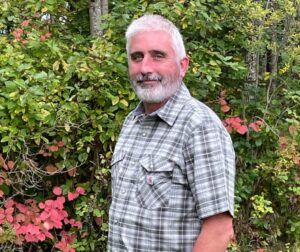
“The people of Vanderhoof want to see a strong local forest economy,” said Vanderhoof Mayor Kevin Moutray.
“Forestry remains important to many Indigenous and non-Indigenous workers, families, and communities throughout the region. The District of Vanderhoof is committed to working with local forestry partners to advance responsible planning and development. What we cannot support is a system that ignores local present-day realities and treats the last remaining fibre supply as a short-term opportunity for non-local beneficiaries.”
Both parties are concerned that multinational forestry corporations continue to receive access to timber despite eliminating local manufacturing capacity. Timber harvested from the region is being transported hundreds of kilometres away for processing, depriving local communities of the economic benefits and threatening BC’s reconciliation commitments and existing agreements, while adding pressure to already stressed forests.
“We are calling on the Province to respect local land use priorities, including the Nation’s land use planning work, and embrace collaborative decision-making,” stated Mayor Moutray. “Forestry decisions must account for cumulative impacts, wildfire risk, changing forest conditions, biodiversity concerns, long-term sustainability, and local opportunities.”
Chief Mueller emphasized, “We are not saying no to forestry. We are saying yes to responsible forestry. Saik’uz has a plan. We have the tools. Together with the District of Vanderhoof, we have local support. What we need now is for the province to respect local knowledge and step up to work with us toward building a better future for our forests, our economy, and our communities.”
Something going on in the Prince George area you think people should know about?
Send us a news tip by emailing pgnews@vistaradio.ca.