


Road Safety at Work is urging drivers to be prepared as December is one of the riskiest months for driving.
ICBC statistics from the last five years show December has the highest number of reported crashes in the province, averaging about 37 per hour. In the North Central region, that includes an average of 1,805 crashers reported in December over the last give years.
WorkSafeBC statistics show December has the second-highest number of accepted motor vehicle incident time-loss claims.
“December brings together several factors that can increase driving risk,” said Road Safety at Work Spokesperson Trace Acres.
That includes winter weather, holiday traffic, less daylight, and pressure to get everything done, which can create challenging conditions for all drivers.
Road Safety at Work have five ways to help stay safe on the road this winter:
- Slowing down and leaving more space between the vehicle in front of you. Reduce your speed to match conditions. Leave at least four seconds of following distance on highways.
- Planning ahead and avoiding rushing. Check your route on DriveBC, monitor weather reports, allow extra time, and be prepared to postpone travel when conditions are unsafe.
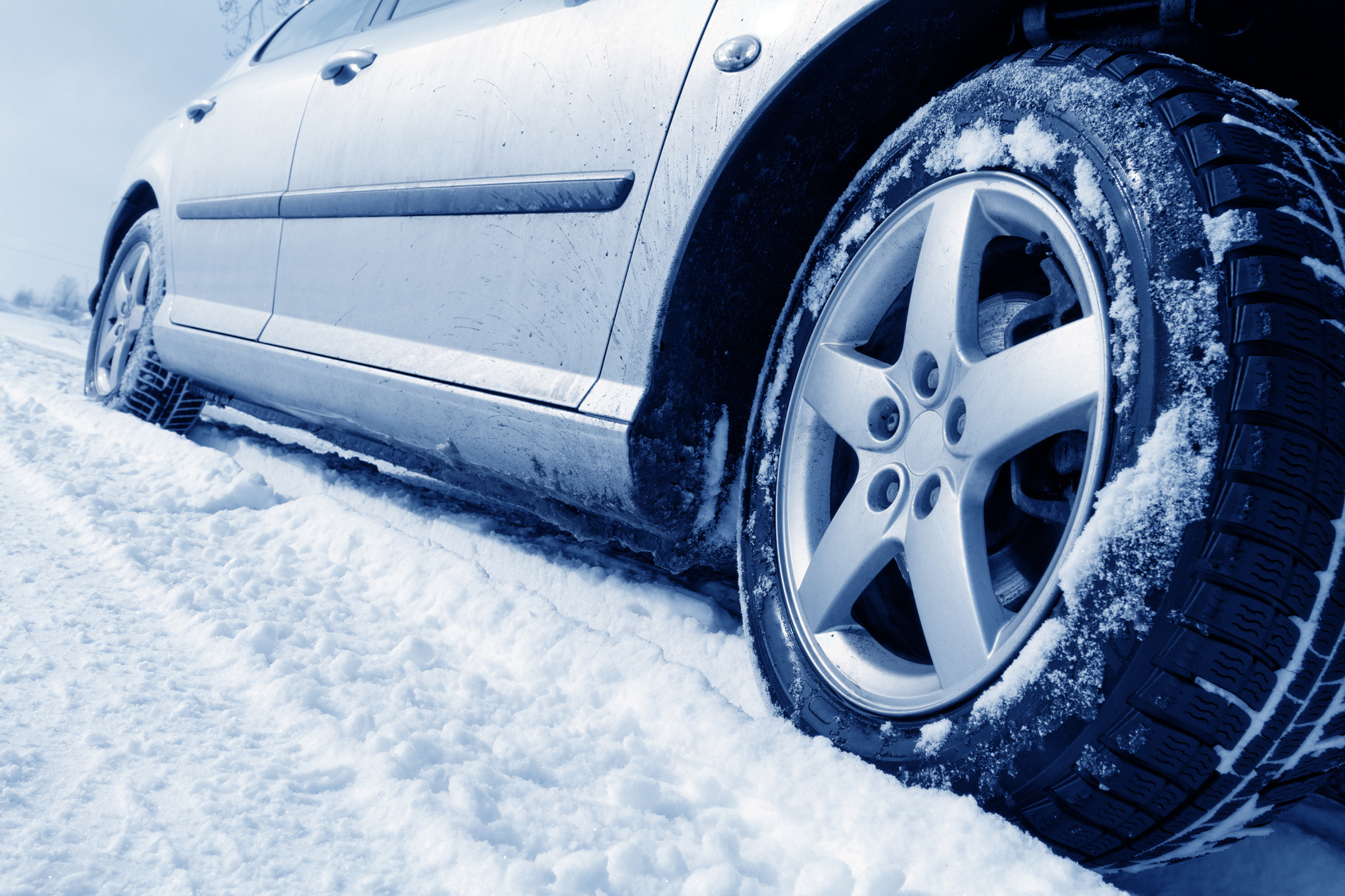
- Preparing your vehicle for winter. Use winter-rated tires with at least 3.5 mm of tread depth. Check lights, wipers, and washer fluid, and carry an emergency kit.
- Making sure you can see and be seen. Use headlights and tail lights at all times. Keep windows, mirrors and lights clear of frost, snow and dirt.
- Staying alert and focused. Avoid driving when tired, put your phone away, and never drive while impaired by alcohol or drugs.
Road Safety at Work adds employers have responsibilities for work-related driving, such as assessing work-related driving risks and taking steps to manage the risk and protect workers. These can include ensuring drivers and vehicles are prepared for winter conditions, planning safe routes and schedules, and establishing procedures for delaying or cancelling trips when necessary.
“Employers can help prevent collision by ensuring workers have enough time to travel safely and by putting clear policies and procedures in place to cancel or postpone trips when road or weather conditions are unsafe,” said Head of Prevention Services at WorkSafeBC. “Getting workers to their destination safely should always be the priority.”
Something going on in the Prince George area you think people should know about?
Send us a news tip by emailing pgnews@vistaradio.ca.